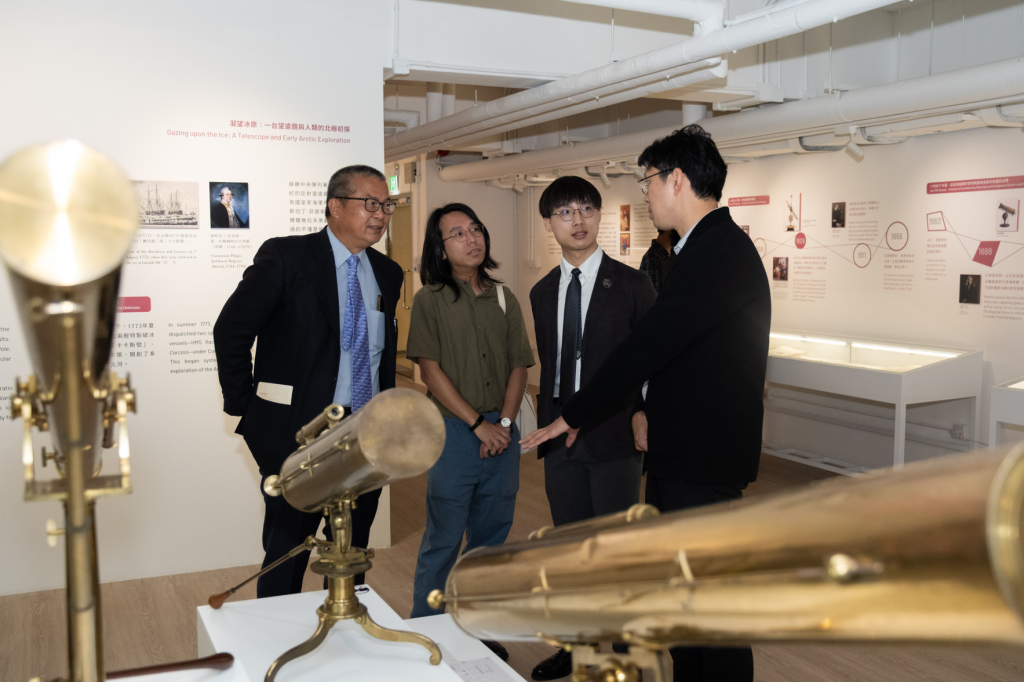
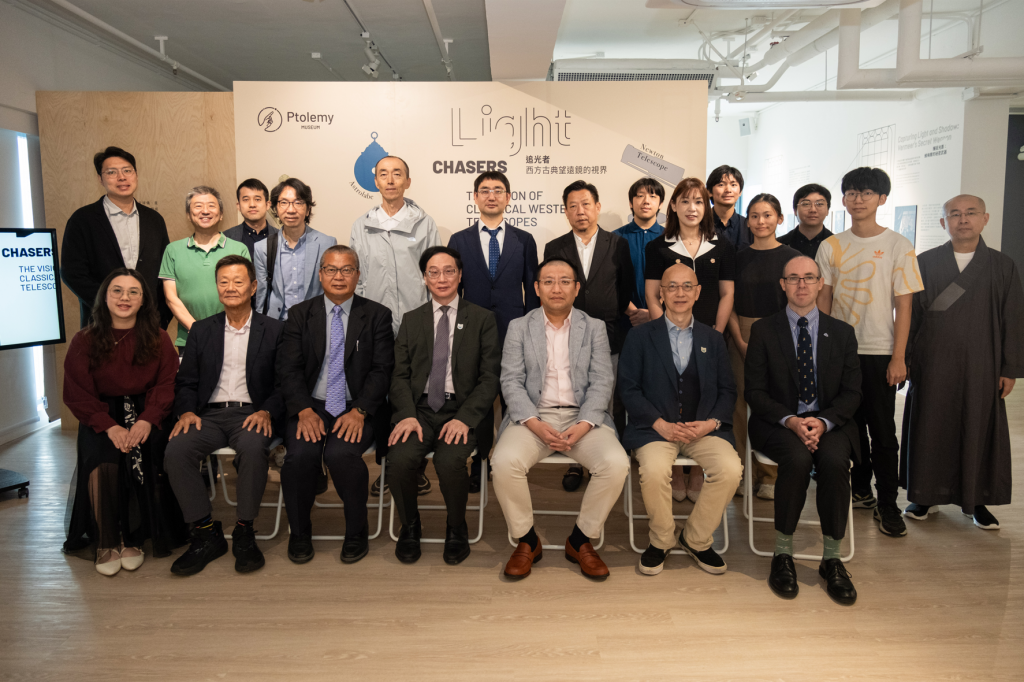
On October 28, 2025, the Ptolemy Museum held a grand opening ceremony for the special exhibition "Light-Chasers: The Vision of Classical Western Telescopes" in its Kwai Fong Exhibition Hall. As Hong Kong's first heritage-level exhibition focusing on classical telescopes, all the exhibits were being shown to the public for the first time, attracting numerous guests from the local cultural, educational, and museum sectors, and generating a warm response from the audience.
At the opening ceremony, Mr. Han Peng, Director of the Ptolemy Museum, pointed out in his speech that the museum, with its theme of "astronomy + geography + natural history," is committed to building a bridge of exchange between science and humanities, and between East and West. This exhibition embodies this concept—using European classical telescopes as the main axis, it traces humanity's exploration of light from ancient Greece to the modern scientific revolution, presenting a magnificent epic of the intertwining of optics and civilization.
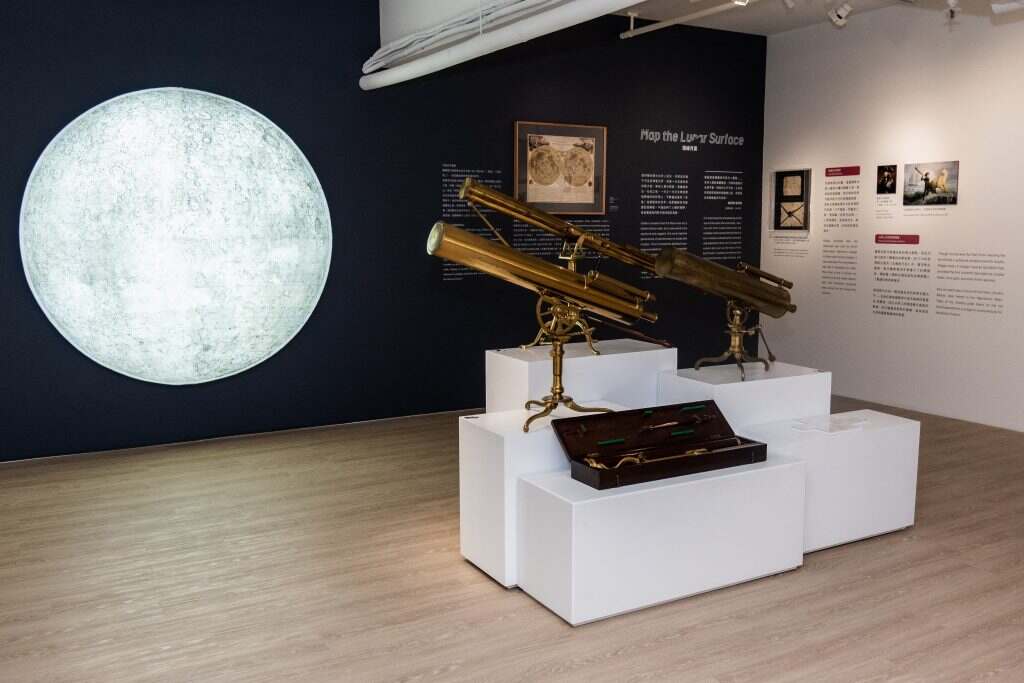
The exhibition is divided into three main sections: "Ptolemy's Light," "Galileo's Legacy," and "Map the Lunar Surface" showcasing numerous precious artifacts and works of art. Highlights include 18th and 19th-century refractometers, reflectors, astrolabes, and telescope design drawings, many of which are historically significant, such as the telescope formerly owned by Baron Constantine Phipps, who led the British Royal Navy's 1773 Arctic expedition, bearing witness to humanity's exploration of the unknown.
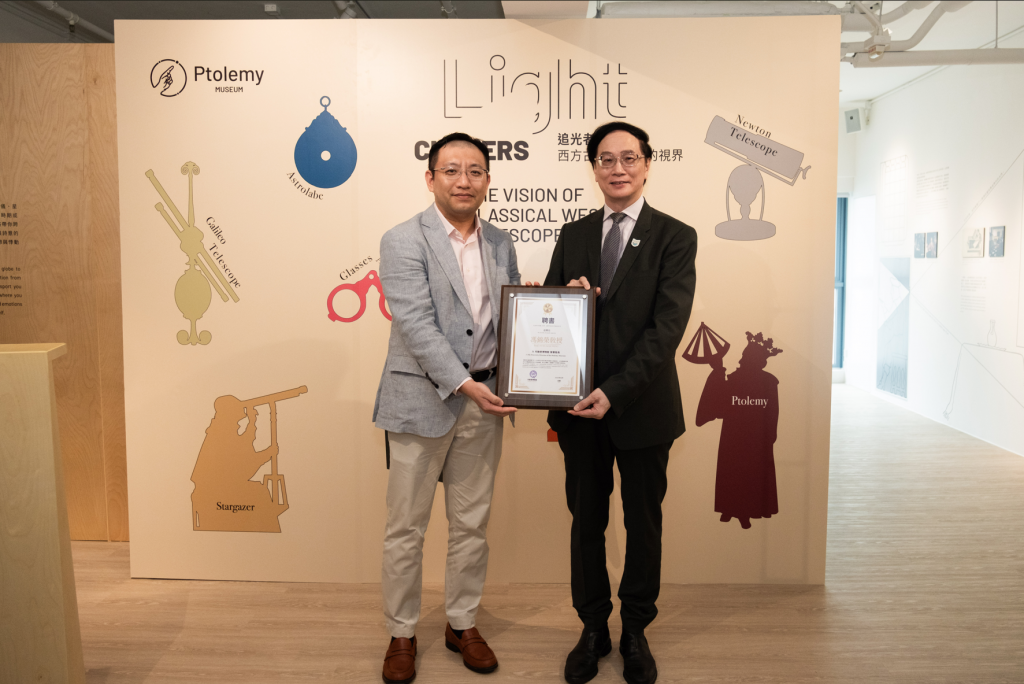
The opening ceremony was honored by the presence of Professor Lee Kwok Yiu, Associate Vice President of Hong Kong Chu Hai College, and Mr. Jeremy Michell, Deputy Director of the Hong Kong Maritime Museum, who attended as officiating guests and delivered addresses. During the ceremony, Museum Director Mr. Han Peng presented a letter of appointment to Professor Fung Kam Wing, naming him Honorary Director of the Ptolemy Museum. Professor Fung, who holds the Zhu Kezhen Visiting Professorship, the History of Science Professorship at the Chinese Academy of Sciences, and also serves as Dean of the Faculty of Arts and Social Sciences at Hong Kong Chu Hai College and is a Professor in the School of Chinese at The University of Hong Kong. With his longstanding dedication to the history of science and cultural exchange studies, Professor Fung’s involvement will further strengthen the museum’s expertise in academic research and cross-disciplinary curation.
The special exhibition "Light-Chasers: The Vision of Western Classical Telescopes" is now open to the public and will run until the end of February 2026. During the exhibition, the museum will host a number of educational activities on the themes of optics and astronomy, taking visitors on a journey through civilizations of light from the Mediterranean to the Milky Way.
A Hong Kong First: Telescope Treasures Spanning Two Centuries Assembled
This exhibition is an unmissable feast for astronomy enthusiasts. Key exhibits include numerous precious refracting and reflecting telescopes from the 18th and 19th centuries, among which are legendary treasures such as a telescope once owned by Baron Constantine John Phipps—who led the British Royal Navy's 1773 Arctic expedition and conducted the first scientific recording of species like the polar bear. Also on display are several classic telescope design manuscripts, allowing visitors to appreciate these scientific artifacts that reshaped humanity's understanding of the universe from an intimate, multi-faceted perspective.
Kaleidoscope: The Blending of Civilizations through Optics
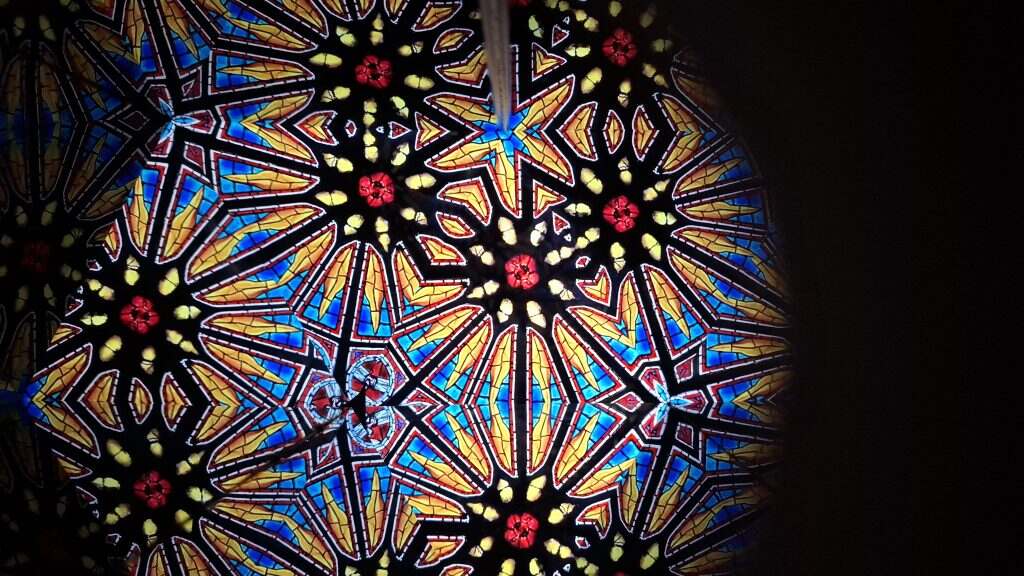
The exhibition not only showcases how optical instruments push the boundaries of cognition, but also uses contemporary art installations to symbolically interpret the refraction and reflection of light. A special installation, "Kaleidoscope of Civilizations," draws inspiration from classic motifs of the three major civilizations of China, Europe, and Islam, constructing a flowing optical space that allows visitors to experience the beauty of the fusion of reason and emotion amidst the interplay of light and shadow.
Decoding Vermeer: An Immersive Camera Obscura Experience and Masterpiece Photo Opportunities
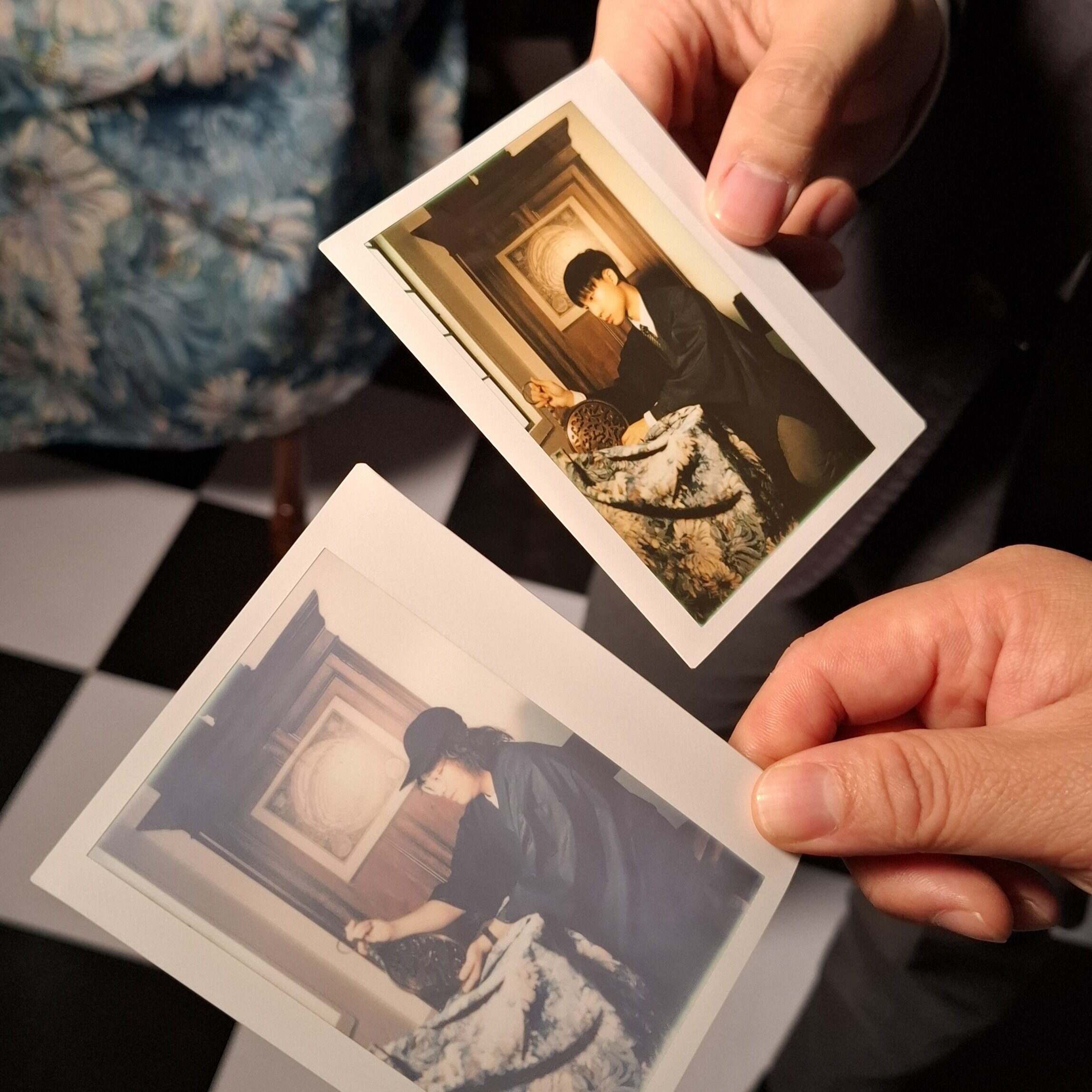
The exhibition reconstructs the painting scenes of Vermeer, the 17th-century Dutch art master. Visitors can visit the artist's studio, decipher the scientific principles of light and shadow in the paintings through the camera obscura, and even step into the scenes of famous works such as "The Astronomer" and "Girl with a Pearl Earring" to take photos. They can also become the painter or model and create their own digital portraits, experiencing the optical world of the 17th century in a fun and engaging way.
Dialogue Between Reason and Poetry: A Cross-Disciplinary Curatorial Experiment
The exhibition integrates the history of science, art history, and curatorial practice, recreating the cultural significance of optical exploration through an interdisciplinary lens. It initiates a dialogue of the times, where reason and poetry are intricately woven together.